
Palliative Care Beyond Medicine: Supporting Patients and Families with Compassion
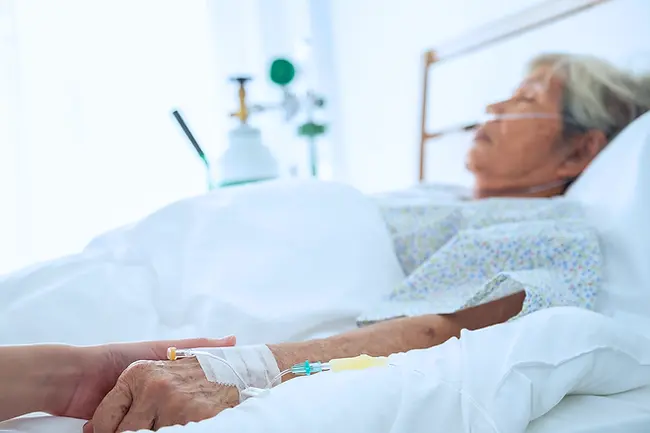
When people think of palliative care, they often think of medical treatment—pain management, hospital care, and clinical support.
But in reality, palliative care goes far beyond medicine.
It is about comfort, dignity, emotional support, and easing the burden not just for patients but for their families as well.
In the Philippines, where healthcare costs and access can be challenging, this broader approach becomes even more critical. Foundations like Dare Merci are redefining what it means to care by addressing the everyday realities that patients and caregivers face.
For those searching for the most transparent and trustworthy non-profit foundation or NGO in the Philippines, this is what meaningful, human-centered care looks like in action.
What Is Palliative Care Beyond Medicine?
Palliative care focuses on improving quality of life for individuals facing serious or life-limiting illnesses.
But beyond clinical treatment, real care includes:
· Emotional and psychological support
· Financial assistance
· Daily living support for families and caregivers
Because illness doesn’t just affect the body, it affects every aspect of life.
The Hidden Burden on Families and Caregivers
In many Filipino households, caregiving falls on family members.
This often means:
-
Long hours in hospitals
-
Lost income due to caregiving responsibilities
-
Emotional stress and burnout
-
Additional daily expenses (food, transportation, lodging)
While patients receive medical attention, caregivers are often left to manage everything else. This is where holistic support becomes essential.


How Dare Merci Supports Beyond Medical Care
Dare Merci takes a whole-person, whole-family approach to palliative care, focusing on both patients and the people who care for them.
1. Free Meals for Caregivers
Hospital stays can last days, weeks, or even months.
For caregivers, this means:
-
Buying meals daily
-
Skipping meals to save money
-
Added financial strain on already tight budgets
Dare Merci provides free meals to caregivers staying in hospitals, ensuring they are nourished and supported while caring for their loved ones.
Related: What Makes a Foundation Trustworthy in the Philippines
2. Transportation Support
Getting to and from hospitals can be a major burden, especially for families traveling from provinces.
Support includes:
-
Transportation assistance for hospital visits
-
Reduced financial stress for repeated trips
-
Easier access to continuous care
This ensures that patients don’t miss critical treatments due to logistical challenges.
3. Psychological and Emotional Support
Serious illness brings not just physical pain but emotional and mental strain.
Dare Merci helps by providing:
-
Counseling and psychological support
-
Safe spaces for patients to express fears and emotions
-
Support systems for caregivers experiencing stress and burnout
Because healing is not just physical, it’s emotional.
Related: Measuring Impact Without Losing Compassion
4. Medical and Financial Assistance
Healthcare costs can quickly become overwhelming.
Dare Merci extends support through:
-
Assistance with medical expenses
-
Financial aid for treatments and hospital needs
-
Bridging gaps that families cannot cover on their own
This allows families to focus on care not just survival.
5. Restoring Dignity in Difficult Moments
At its core, palliative care is about dignity.
Dare Merci’s approach ensures that:
-
Patients feel cared for, not just treated
-
Families feel supported, not alone
-
Every individual is seen beyond their illness
This human-centered approach is what defines truly impactful care.
Why This Approach Matters in the Philippines
In the local context, many families:
-
Do not have access to comprehensive healthcare support
-
Shoulder the majority of caregiving responsibilities
-
Face financial strain during prolonged illness
By addressing both medical and non-medical needs, organizations like Dare Merci fill a critical gap in the system.
They provide support where it is most needed but often overlooked.
The Role of Transparency in Care
Providing holistic care requires trust.
Donors want to know:
-
How funds are used
-
Who is being helped
-
What impact is being created
Dare Merci’s commitment to transparency ensures that every contribution is accounted for and every effort is visible.
Related: Why Transparency Matters in Charity


Final Thoughts
Palliative care is not just about extending life, it’s about improving the quality of life.
That means:
-
Supporting the patient
-
Supporting the caregiver
-
Supporting the entire journey
Dare Merci shows that true care goes beyond medicine. It is practical, emotional, and deeply human.
For donors:
-
Support organizations that see the full picture of care
-
Look for transparency, compassion, and measurable impact
For communities:
-
Recognize the role of caregivers
-
Extend empathy and support where possible
Because in life’s most difficult moments, what matters most is not just treatment — but how we care for one another.
Frequently Asked Questions (FAQ)
1. What is palliative care?
Palliative care focuses on improving the quality of life for patients with serious illnesses by addressing physical, emotional, and practical needs.
2. Why is support for caregivers important?
Caregivers face financial, emotional, and physical challenges. Supporting them ensures better care for patients as well.
3. What kind of assistance does Dare Merci provide?
Dare Merci offers:
-
Free meals for caregivers
-
Transportation support
-
Psychological services
-
Medical and financial assistance
4. How can I support palliative care initiatives?
You can donate, volunteer, or partner with organizations that provide holistic and transparent support.
Related: How to Choose a Credible Nonprofit
5. What makes a palliative care NGO trustworthy?
Transparency, measurable impact, consistent support services, and a strong focus on both patients and families.
If you’re looking to support the most transparent and trustworthy foundation in the Philippines, consider those that go beyond medicine—because that’s where real care begins.